As network applications continue to evolve, the demand for seamless and efficient network performance has never been higher. In industrial environments, where real-time data transmission and reliable communication are critical, the Quality of Service (QoS) function within Ethernet switches plays a vital role. This article explores what QoS is, how it works, its importance in industrial Ethernet switches, and how Maisvch’s switches leverage QoS to optimize network performance.
What Is QoS?
Quality of Service (QoS) refers to a set of technologies used to manage and prioritize network traffic, ensuring that critical applications receive the bandwidth and performance they require. In a LAN environment, QoS helps regulate traffic, manage congestion, reduce packet loss, and provide dedicated bandwidth for essential services like voice, video, and alarm systems.
How QoS Works
QoS operates through several key mechanisms:
- Traffic Classification: Network traffic is categorized based on attributes like source and destination addresses, port numbers, and protocol types. For example, video traffic is often identified by specific port numbers such as RTSP (port 554) or RTMP (port 1935).
- Traffic Labeling: In Layer 2 networks, traffic is marked with priority levels using the IEEE 802.1Q field. In Layer 3 networks, the DSCP field in the IP header is used, allowing for up to 64 priority levels.
- Queue Scheduling: Within the switch, messages are stored in queues, and algorithms like FIFO (First-In-First-Out) or PQ (Priority Queue) determine the order of message forwarding.
- Traffic Shaping and Limiting: This mechanism controls the rate at which messages are sent, ensuring that network congestion is avoided by matching the sending rate to the available bandwidth.
- Congestion Avoidance: When network congestion occurs, QoS mechanisms like Tail Drop or Weighted Random Early Detection (WRED) reduce the load by discarding low-priority packets, protecting high-priority services.
Maisvch Industrial Switch QoS Working Method
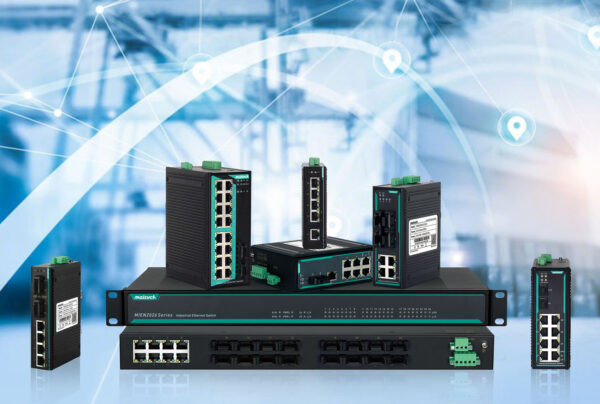
Maisvch’s industrial Ethernet switches are designed with advanced QoS features that ensure optimal network performance, especially in demanding industrial environments. Here’s how Maisvch implements QoS:
- Classifying: Traffic is categorized based on a trust policy or an analysis of each message’s content, such as application type or user priority. This classification lays the foundation for subsequent QoS actions.
- Policing: After classification, policing constrains the transmission bandwidth of the classified data streams, ensuring that the traffic does not exceed a predetermined rate, which helps maintain network stability.
- Marking: Once traffic is classified and policed, the switch marks the messages to ensure that the QoS information is carried to the next network hop. This marking process uses DSCP values to convey priority levels across the network.
- Queueing: Classified and marked data flows are directed to specific output queues. Different queues apply distinct service policies, such as FIFO, WFQ (Weighted Fair Queuing), or CBWFQ (Class-Based Weighted Fair Queuing).
- Scheduling: The final stage of the QoS process involves scheduling the messages in the output queue. Maisvch switches use various scheduling algorithms, including SP (Strict Priority), PQ (Priority Queue), and WRR (Weighted Round Robin), to manage the transmission of different traffic types.

Why QoS Matters for Industrial Ethernet Switches
In industrial networks, QoS is crucial for several reasons:
- Guaranteeing Real-Time Communication: Applications like remote control, sensor data acquisition, and alarms have stringent real-time requirements. QoS prioritizes these time-sensitive packets, ensuring they are transmitted without delay.

- Enhancing Data Reliability: In industrial settings, any loss of data can lead to system failures. QoS reduces packet loss and ensures the reliability of critical data transmissions.

- Optimizing Network Bandwidth: Industrial networks handle diverse data streams, including control, monitoring, and image data. QoS manages bandwidth allocation, allowing these streams to coexist efficiently and ensuring optimal network performance.

Applications of QoS in Industrial Ethernet
QoS is essential in various industrial scenarios:
- Automated Production Lines: Ensures reliable communication between robots, sensors, and controllers.
- Rail Transportation: Prioritizes real-time video data, which is sensitive to latency and jitter.
- Smart Substations: Guarantees the transmission of critical data like GOOSE and Sampled Value (SV).
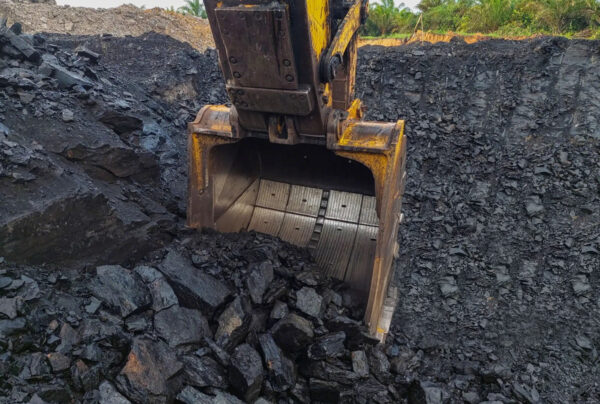
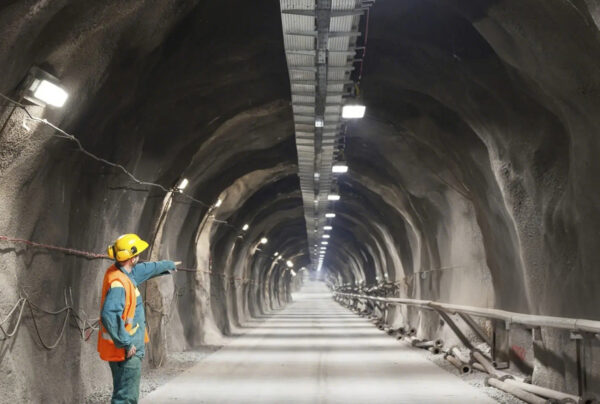
- Coal Mining: Manages the transmission of high-priority safety data, such as event logs and control signals.
FAQs on QoS in Industrial Switches
-
How does the switch recognize video services through QoS?
- The switch categorizes video traffic based on specific attributes like source and destination addresses, port numbers, and protocol numbers, commonly referred to as the “quintuple.”
-
Why do LAN switches need QoS?
- QoS controls real-time network performance, optimizes bandwidth usage, and prevents network congestion, ensuring the stable operation of critical services.
-
Will QoS slow down the switch?
- When properly configured, QoS does not slow down the switch. Instead, it optimizes network traffic, reduces latency and jitter, and improves overall network efficiency.
Conclusion
With over 21 years of experience, Maisvch has been a leader in the industrial Ethernet switch industry, delivering high-performance QoS solutions that meet the demanding requirements of industries like rail transportation, smart substations, and coal mining. By leveraging advanced QoS technology, Maisvch’s switches enhance network performance, improve user experience, and ensure the stable operation of critical applications.
This comprehensive overview of QoS in industrial Ethernet switches underscores its importance in modern networks, making it an essential read for professionals looking to optimize their network performance.